

NAFDAC Destroys N8bn in Fake, Banned Products in North-Central
The agency destroys seized counterfeit medicines, adulterated food, cosmetics and banned alcoholic drinks across North-Central Nigeria, warning traders against further violations
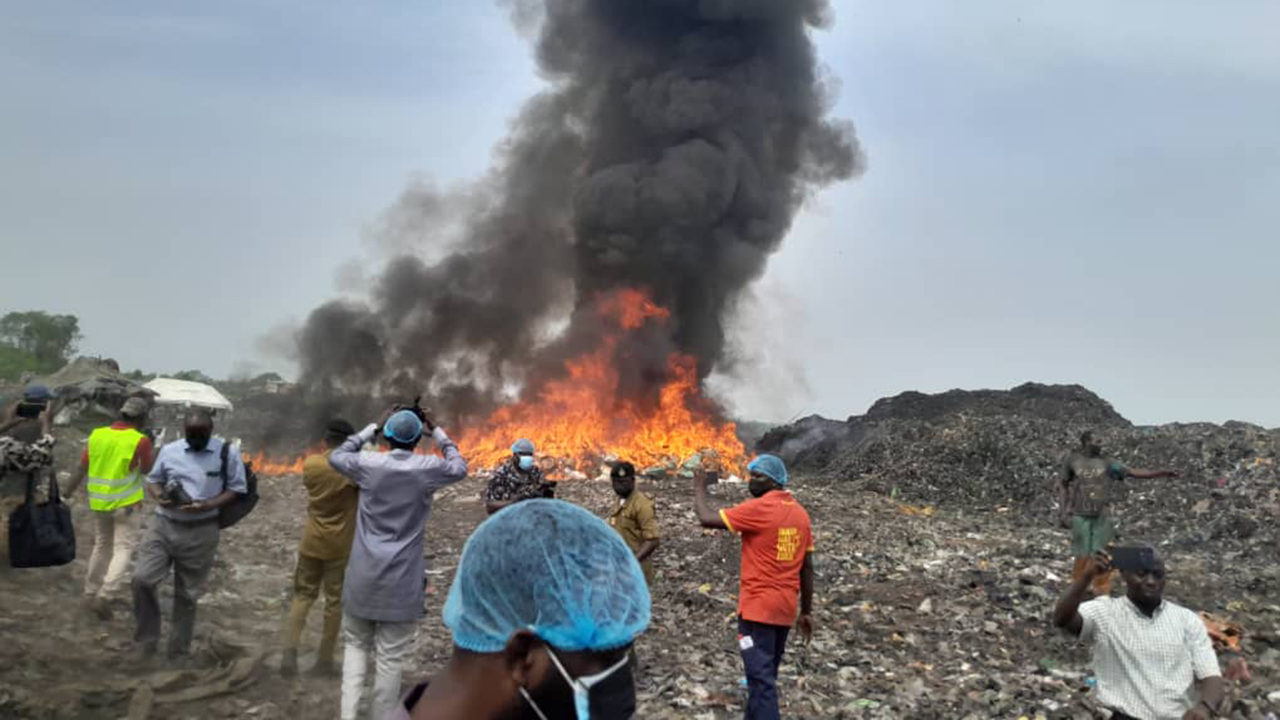
The National Agency for Food and Drug Administration and Control (NAFDAC) has destroyed counterfeit, adulterated, expired and prohibited products worth more than N8bn recovered across North-Central Nigeria, intensifying efforts to protect consumers from unsafe goods and restrict access to banned alcoholic beverages.
Also read: Public Health Awareness Remains Essential
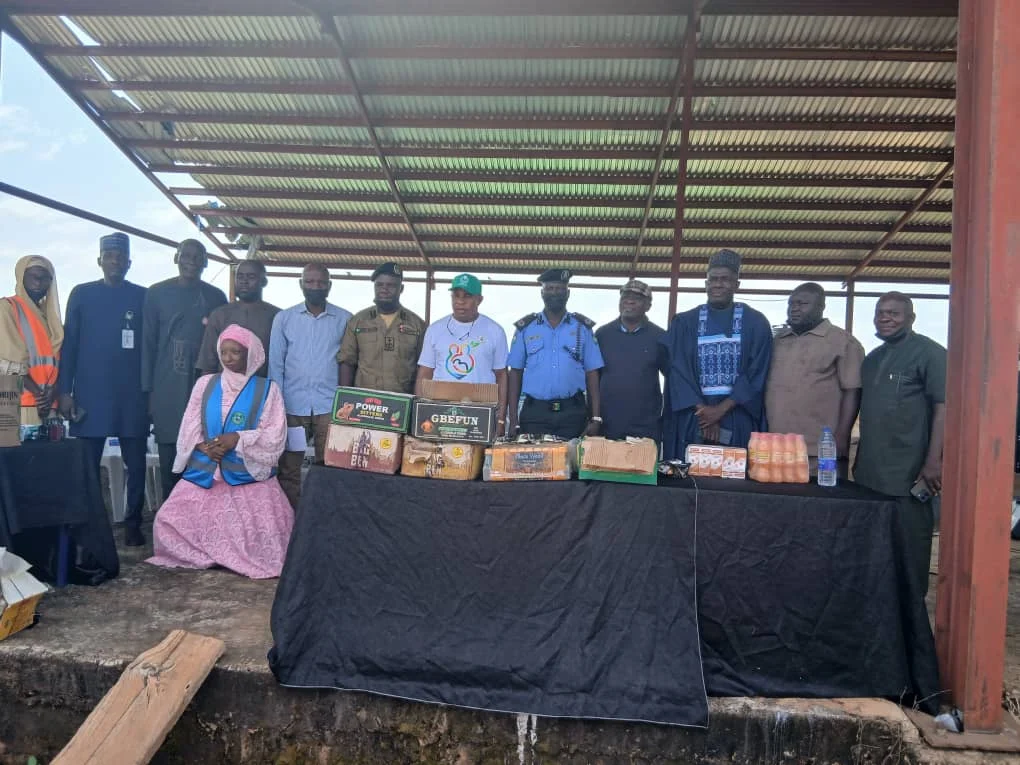
The destruction exercise took place in Lafia, Nasarawa State, on Thursday, October 29, 2026, with the agency identifying alcoholic drinks packaged in sachets and containers smaller than 200 millilitres as the bulk of the confiscated products.
NAFDAC Director-General, Professor Mojisola Adeyeye, who was represented at the event by the agency’s Deputy Director for the North-Central zone, Joseph Edor, said the products were seized from manufacturing facilities, shops, markets, motor parks and other sales outlets.
She explained that the operation was part of efforts to prevent unsafe and prohibited products from reaching consumers, particularly children and young people who may be more vulnerable to the harmful effects of alcohol misuse.
“Research has shown that early exposure to alcohol affects the brain and other vital organs such as the liver and kidneys,” Adeyeye said.
She warned that early alcohol consumption could impair brain development, damage vital organs, affect pupils’ academic performance, reduce productivity and contribute to various illnesses.
The agency said the confiscated items also included expired and counterfeit medicines, adulterated food products and unwholesome cosmetics.
Their destruction was intended to remove potentially dangerous goods from circulation and reduce the risks associated with their consumption or use.
Adeyeye said the agency’s enforcement activities had uncovered the products across different points in the supply chain, highlighting the challenge of preventing prohibited goods from moving from manufacturers and distributors into local markets.
She also commended security agencies and other stakeholders for supporting NAFDAC through intelligence sharing and operational assistance.
Nasarawa State NAFDAC Coordinator, Dr Gyani Stephen, said the destruction exercise was intended to safeguard public health rather than punish businesses or individuals indiscriminately.
Stephen urged traders involved in the distribution and sale of counterfeit or prohibited products to stop the practice, warning that violators would face appropriate regulatory action.
In a goodwill message, the Nasarawa State Commander of the National Drug Law Enforcement Agency, Daniel Saidu, represented by Yakubu Awoh, praised NAFDAC’s efforts to remove fake and expired medicines from the market.
He warned that allowing dangerous products to remain in circulation could expose millions of Nigerians to avoidable health risks, including potential harm to their mental well-being.
The exercise comes amid intensified national enforcement of restrictions on alcoholic beverages packaged in sachets and small containers below 200ml.
NAFDAC began enforcing the restriction in February 2024 following an earlier agreement with industry stakeholders to phase out the packaging formats.
The original transition period was subsequently extended, amid disagreements and consultations over implementation.
In January 2026, the agency announced that enforcement of the ban on sachet alcohol and small-volume bottles had commenced.
NAFDAC maintained that the restriction was intended to protect vulnerable groups, particularly children and young people, from the easy availability of alcoholic drinks in inexpensive, portable packaging.
The agency stepped up its efforts in July with a nationwide operation to remove prohibited products from markets, motor parks, retail outlets, bars and distribution channels.
In August, it also directed affected manufacturers to recall the products, warning that non-compliance could attract regulatory sanctions.
However, the enforcement drive has implications for manufacturers, distributors and retailers whose businesses depend on the affected packaging formats.
The policy specifically targets alcoholic beverages in sachets and small PET or glass bottles below 200ml, rather than all alcoholic drinks.
The latest destruction in Lafia therefore represents both a public health intervention and another step in the enforcement of Nigeria’s restrictions on prohibited products.
The scale of the confiscation also underscores the importance of sustained market surveillance, responsible distribution practices and cooperation between regulatory and security agencies.
Also read: Public Health Awareness Remains Essential
NAFDAC has continued to urge manufacturers, traders and consumers to comply with applicable regulations and remain vigilant against counterfeit, expired and unwholesome products.



Pingback: FRSC Vows Strict Penalties for Overloading, Unsafe Loading – FreshUpdates News
Pingback: Pastor Faces Backlash Over Controversial Claim About Intimacy With Widows – FreshUpdates News